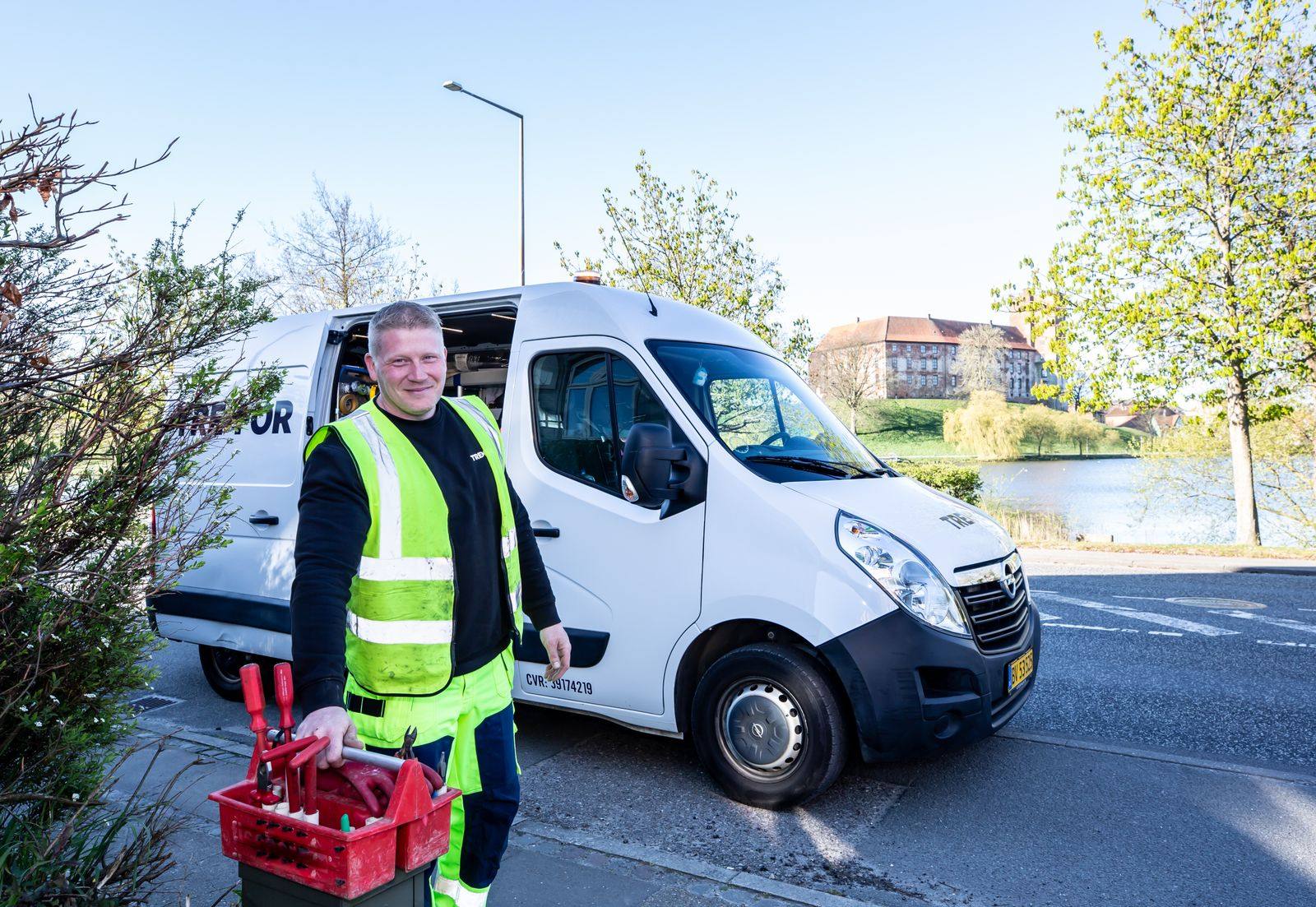
Not every water heater problem is an emergency, but the ones that are tend to get worse by the minute. The classic example is a ruptured tank. Because the cold inlet keeps feeding a failed tank, the leak does not end when the heater is empty; it can keep going until someone closes a valve, soaking subfloors, carpet, and ceilings below. Other urgent signs include a relief valve that is spraying or discharging repeatedly, which means the tank is running too hot or at too much pressure, water at the tap that is suddenly scalding, and a rotten-egg odor near a gas unit. For households in Sparks, NV, any of these deserves a phone call right away rather than a wait-and-see approach.
Before anything else, rule out gas. A rotten-egg odor near the heater means everyone leaves the house, no one touches switches or appliances while leaving, and the call goes to your gas utility or 911 from a safe distance. If there is no gas smell, turn to the water: close the cold supply valve at the top of the heater, or the main shutoff if the heater valve is seized. Next, cut the energy to the unit, turning a gas control to OFF or switching off the dedicated breaker on an electric model, as long as you are standing on dry ground. Leave the relief valve alone if it is discharging. Plugging it removes the final protection against a tank that is overheating. Once things are isolated, call (775) 314-3901 and we will help.
When you reach Sparks Water Heater, we start by asking what you see, hear, and smell, and we confirm the shutoffs are holding before anyone leaves the shop. We dispatch as quickly as we can and give you an honest arrival window rather than a promise we cannot keep. Our trucks carry the parts behind most urgent failures, including relief valves, thermocouples, flame sensors, heating elements, thermostats, drain valves, and supply connectors, so many emergencies end with a repair on the spot. When the tank itself has failed, patching it is not an honest option, so we explain replacement options, secure the area, and restore hot water as soon as the new heater is in. For emergency water heater repair in Sparks, call (775) 314-3901.
What homeowners call us about most is Water Heater Repair in Sparks. Start there if you're not sure what you need.
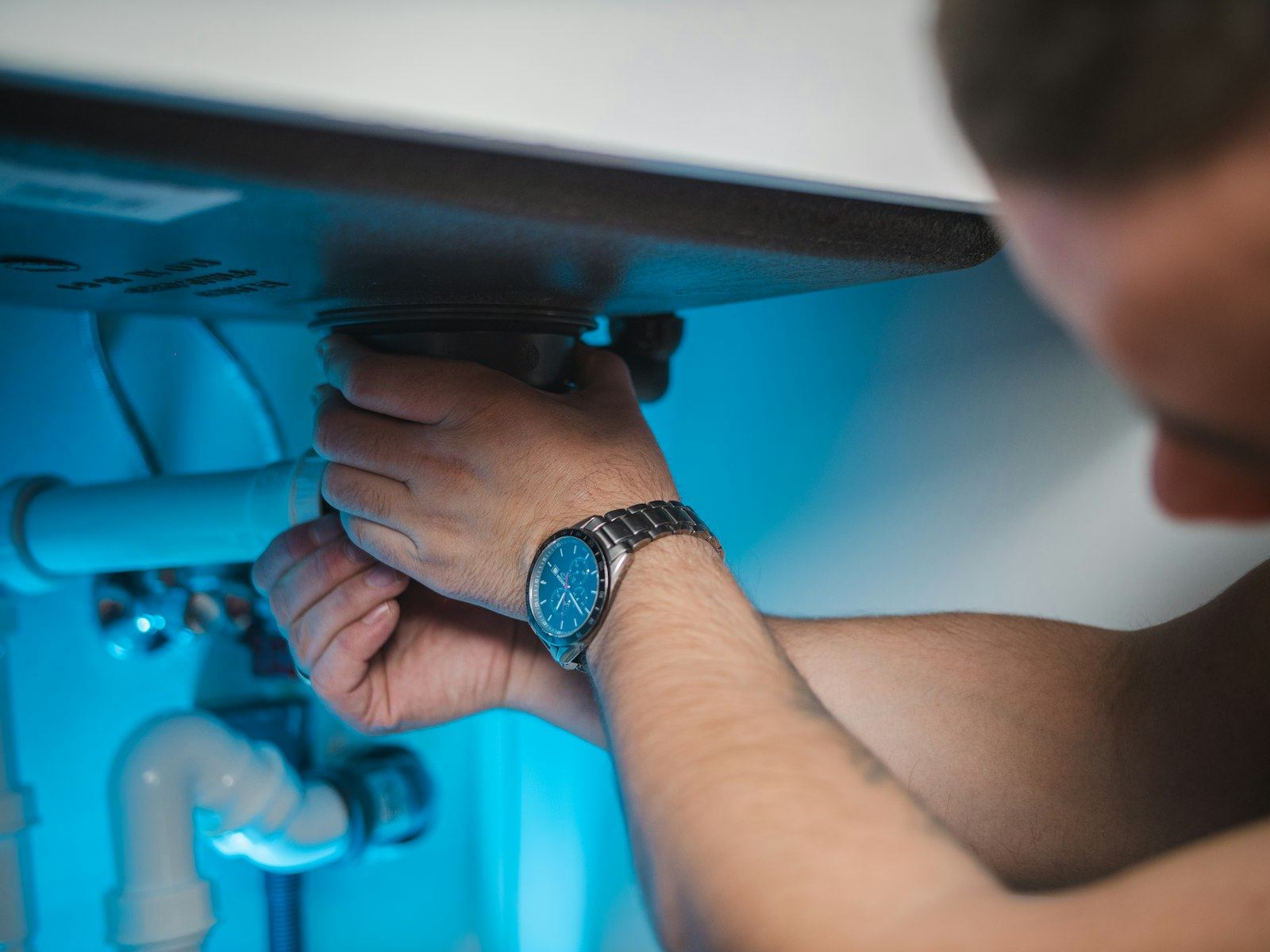
When to Call for Emergency Water Heater Repair
Catching a symptom early is often the difference between a quick part swap and a tank that gives out on the garage floor. Here are the most common indicators that it's time to call a professional:
- A heater breaker that will not stay on after being reset
- The smell of gas near the unit, a situation that calls for evacuating and phoning the utility or 911
- No hot water at all, even after waiting for the tank to recover
- Black soot or heat discoloration around the burner door or draft hood
- Loud popping, banging, or rumbling from the tank that has gotten worse quickly
- Water at the tap that is suddenly scalding hot
- A T&P valve that releases water repeatedly instead of staying closed
- Standing water around the water heater that returns after you wipe it up
Small Symptoms, Big Consequences
Left alone, even minor symptoms like rumbling or temperatures that swing from hot to warm tend to mean the heater is working its way toward a breakdown. A quick call to (775) 314-3901 gets a technician out to check it before it becomes an emergency.
Water Heater Trouble? Call Us.
One call gets a technician scheduled and a clear price before any work starts.
Get Help: (775) 314-3901Emergency Water Heater Repair FAQ
Why This Job Calls for a Pro
Emergency calls combine electricity, gas, heat, pressure, and water, which is exactly the mix that makes do-it-yourself work risky. An electric heater sits on a 240-volt circuit that should never be handled while standing in water. A gas heater has fuel piping, a burner, and a vent that can spill combustion gases if something is out of place. The tank itself holds scalding water under pressure, and a discharging relief valve is signaling an unsafe condition that must be fixed at the source, not muted. Capping that valve, relighting next to a gas odor, or forcing a rusted connection are mistakes we see far too often.
A trained technician brings the right order of operations and the right parts. Our team confirms the heater is isolated, tests for gas leaks with a detector and soap solution instead of relying on a sniff test, checks household water pressure and thermal expansion when a relief valve has been discharging, and inspects the vent for proper draft before a gas unit is restarted. Just as important, we tell you honestly when a heater can be repaired and when it cannot. A leaking seam or rusted-through bottom cannot be fixed, while a failed valve, fitting, or element usually can, and the difference is often a few hundred dollars versus a new heater. You get that answer before any work begins.
From Your Call to Hot Water
We work through a clear, repeatable process so you always know what's happening and what it will cost. Here's exactly how a typical visit unfolds:
Safety Call & Shutoff Guidance
The first step happens before we arrive. We rule out a gas smell with you, walk you through the water shutoff and the gas control or breaker, and help limit the spread of water.
Secure the Area
You get a straight answer on timing, not a promise we cannot keep. Once on site, we check the shutoffs, the gas or electrical supply, and the vent before touching the heater itself.
Diagnose & Repair
The source gets pinpointed before any part is replaced. Relief valves, drain valves, connectors, thermocouples, and elements are stocked, so most fixes happen the same visit.
Restart & Verification
Restarting correctly matters. We fill the tank before power or gas returns, check fittings and the relief valve for leaks, verify draft on gas units, and leave the thermostat near 120F.
Prevention Tips That Actually Help
A few simple habits, like an annual flush and a quick look at the relief valve, can add years to a tank. Start with these practical measures our team relies on:
- Check the temperature and pressure relief valve each year so you know it will work when it matters
- A drain pan with a proper drain line under the tank can turn a flood into a manageable puddle
- Set the temperature around 120F, which protects against burns and slows tank wear
- Flush sediment from the tank yearly, since buildup overheats the bottom and speeds corrosion
- Store chemicals and flammables far from the burner, and keep the area around the heater uncluttered
- Consider an automatic leak shutoff that stops the cold supply the moment water hits the floor
- Tag the water heater supply valve and the main shutoff so nobody has to search during a leak
Doing It Yourself vs. Hiring a Technician
Relighting a pilot by following the label is one thing. Diagnosing a gas valve, a burned-out element, a dirty flame sensor, or a tankless error code calls for meters and know-how that a pro brings. Here's a comparison:
| Consideration | Doing It Yourself | Hiring a Pro |
|---|---|---|
| Gas Safety | Risk of ignition while investigating | Evacuate, utility clears it, then leak testing |
| Water Control | Seized valves forced until they break | Water stopped and drain-down done properly |
| T&P Discharge | Valve capped or plugged, a dangerous move | Cause found: pressure, expansion, or overheating |
| Power & Water | Resetting breakers while the floor is wet | Circuit verified dead before any work |
| Diagnosis | Guessing between valve, fitting, and tank | Leak and failure point pinpointed |
| Outcome | Problem likely to return | Safe restart, verified dry and working |
Let's Get Your Hot Water Back
Every day a leak or a failing part goes unchecked puts more stress on the tank. Get Sparks Water Heater on the job today.
Tap to Call (775) 314-3901Where We Provide Emergency Water Heater Repair
Our service area reaches well past the city limits. Choose your community for local details.